Fiction, Non-Fiction Reading Guides
Taking a Closer Look
Fiction, Non-Fiction Reading Guides assist readers in taking a closer look at the personal connection between the printed word and lived experiences. In the same manner that a table can be imagined in a variety of ways, personal conflicts, trials, and resolutions can be envisioned according to the images and gut reactions of the readers. Reading guides’ true purpose is to draw out what is hidden so it can be considered in the light of reason and faith, hopefully leading to greater mental and spiritual integration. Knowing ourselves better helps us understand humanity better.
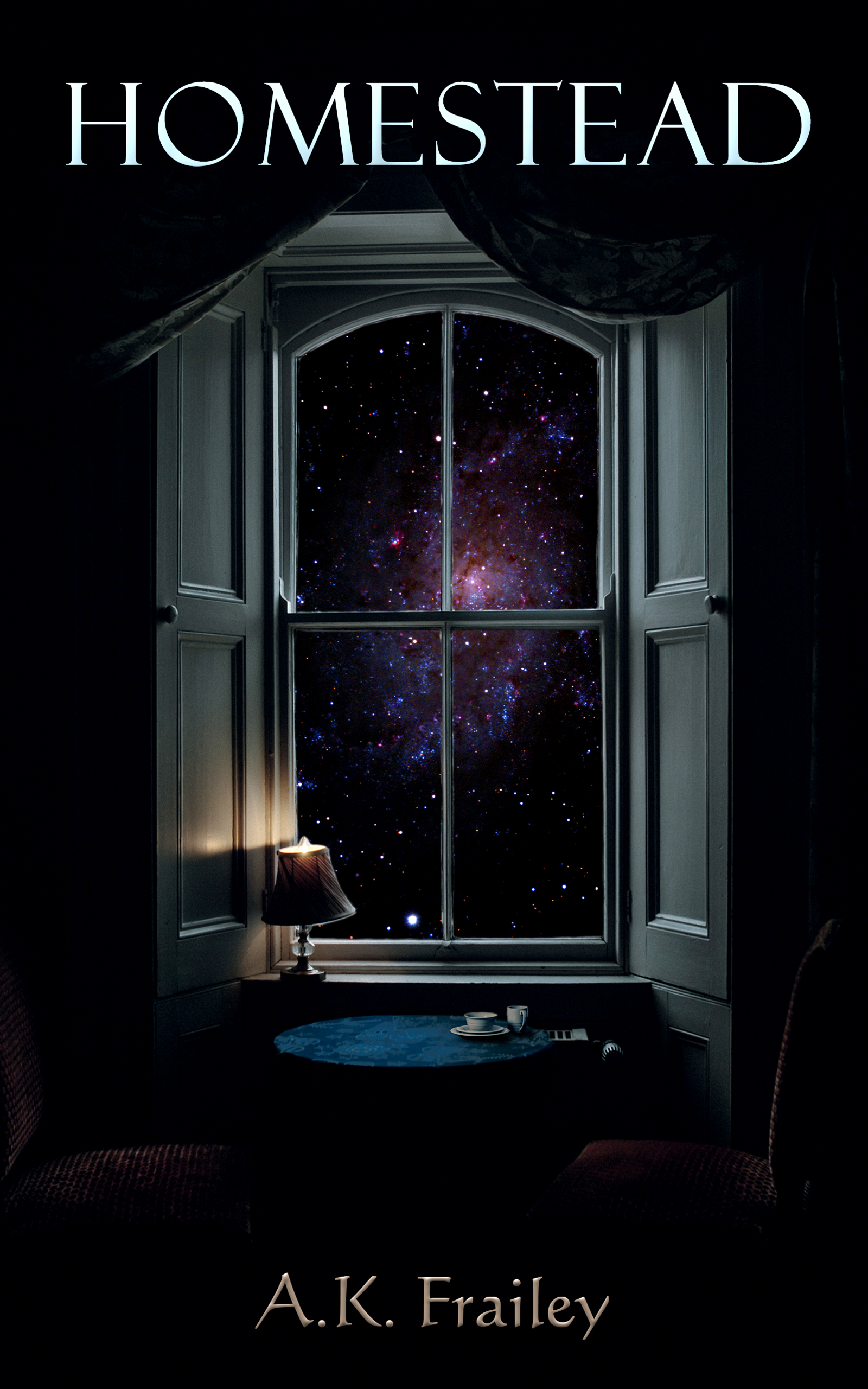
Homestead
Secondary
1 There are several crises happening at once in Homestead. Which one is the most serious? Why do you think so?
2 Rosie’s neighbors have different reactions than she does at several points. What are some of their differences? What accounts for the different reactions?
3 The idea that aliens have existed on earth for a long time is not a new one. What do you make of that concept? Is it an attractive thought that explains some of the mysteries around humanity or is a deplorable possibility that could rip society apart?
4 Who is your favorite character? Why?
5 If there were a technological breakdown in the world today, how differently do you imagine that your family, neighbors, and community would respond?
Adult/Book Clubs
1 Part of the story flows around Rosie’s internal development as a human being. Do you think she becomes a better person by the end? Why or why not?
2 What mistakes does Rosie make throughout the course of events? What could she have done differently?
3 If aliens, or even half aliens, showed up claiming that they had the same rights as human beings, would you agree? Why or why not?
4 Who from the story would you like to meet in person? What would you do with him or her?
5 Though events turn out better than they could have, there are several unfixable situations. Does it seem fair and just that the characters move on with their lives as they do?
Paperback/Journal Reflections
1 Throughout the story, Rosie must contend with situations outside her control. Does she handle them well? How would I have handled it if I were in a similar situation?
2 Was there any part of the story I could visualize very well? Why is that? What does it tell me about my life?
3 If I could spend time with one of the characters and be truly honest with him or her, who would it be? Why? Do I have anyone in my life I feel I could share my thoughts with in the same way? Who? Do I need to find someone who can play that role with me? Can I be that person for someone else?
4 Rosie has to face some of the mistakes she has made in life, things she feels she could have done better. It is part of her healing to come to terms with that part of herself. Could I ever do something similar?
5 Contrary to some science fiction, could I entertain the idea that alien life wants to see humanity succeed? Do I believe that humanity deserves to succeed? What do I wish for the human race, no matter what it might deserve?
ReadingGuide.Homestead
HomesteadColoringPagePDF
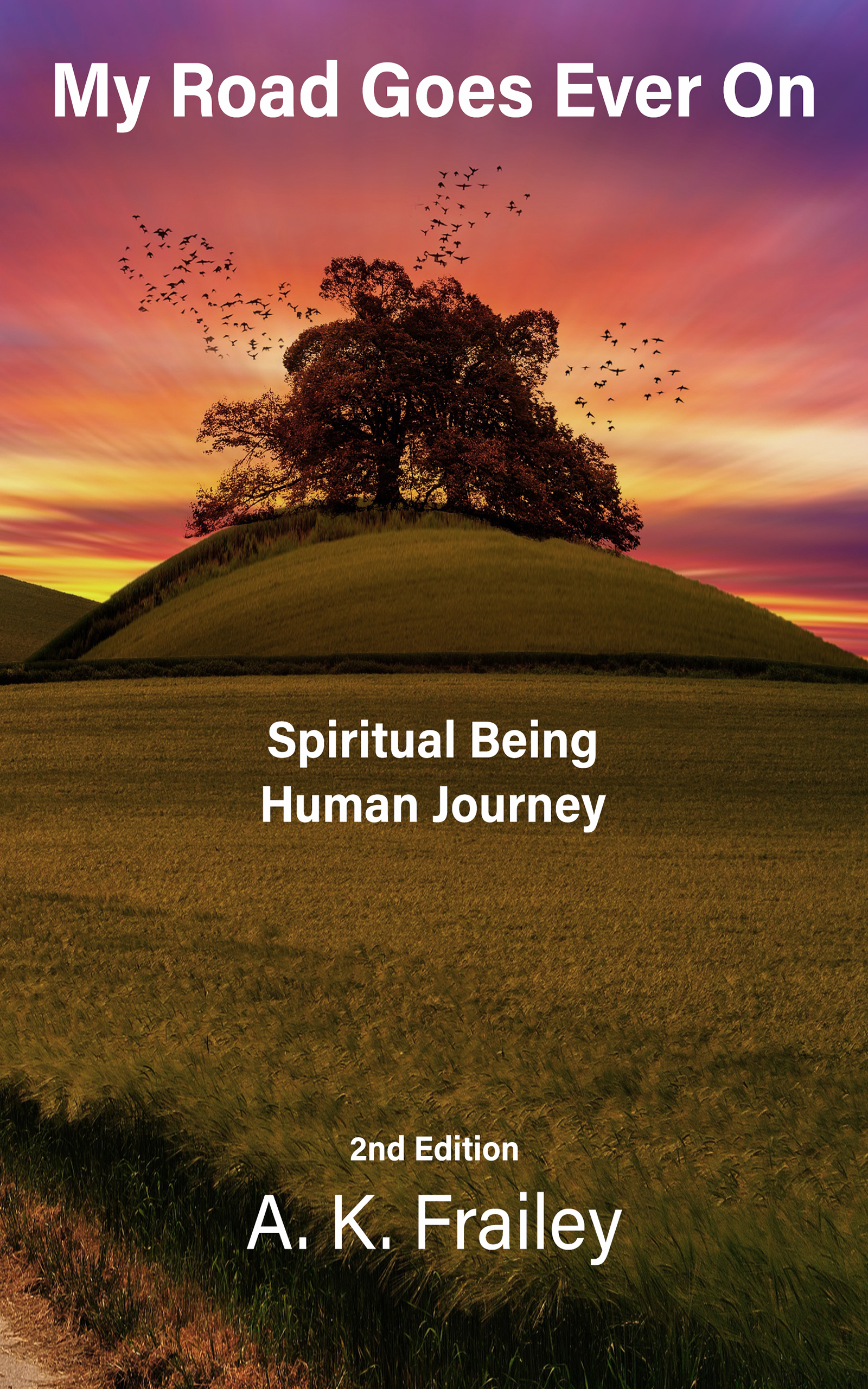
My Road Goes Ever On
Spiritual Being, Human Journey
2nd Edition
Secondary
1 Do I consider myself a spiritual person? Am I a religious person? How does the author reflect on these two aspects of her life experience? Are they intertwined or distinctly separate?
2 Some reflections deal with hardships and pain, the dark moments in life. What are healthy ways to handle personal trials, doubts, and the less acceptable feelings we may experience in life?
3 Do any of the reflections touch on a relatable point in my life? Did the author handle the topic well? If I were to write about a troubled part of my life, how would I handle it?
4 Writers through the ages have reflected on society’s ills and cultural concerns. It is part of the artistic journey to consider the wider world beyond the personal experience. What social or cultural issues were not addressed by this author that you think should be written about more thoughtfully?
5 What is one takeaway from these reflections that you might share with someone else? If nothing, why not? Would no one understand? Are personal reflections a waste of time? Should people reflect on their lives personally and as part of a larger society?
Adult/Book Clubs/Journal
1 How does my sense of spirituality intertwine with my professed religious experiences, if any? Can I be a spiritual person without any religious filters in my life? How does the author express her spirituality in comparison to her religious faith?
2 Some reflections deal with hardships and pain, the dark moments in life. How do I deal with my own trials? Do I share with anyone? Can I write about my woundedness? Would it help if I did?
3 Were there any reflections that touched me on a deep level? Why? Does my personal life feel connected to the larger world, or do I seem cut off from society at large? How could I reconnect?
4 Who else might enjoy these reflections? Would group discussions about some of these topics help to bring clarity to our society? What would need to happen for such a discussion to take place?
5 Writing is a personal act, yet published work is very public. What risk is the author taking when she releases her personal thoughts into the world? Some people might say that our world is not receptive to differing points of view. Has that always been the case? Does that mean we should not share our slice-of-life perspectives? What would happen to the human race if we stopped risking and refused to share our honest thoughts with others?
ReadingGuide.MyRoad.SpiritualBeing.HumanJourney
MyRoadSpiritualColoringPagePDF

A. K. Frailey Facebook Page
A.K. Frailey LinkedIn Page
A. K. Frailey Goodreads Page